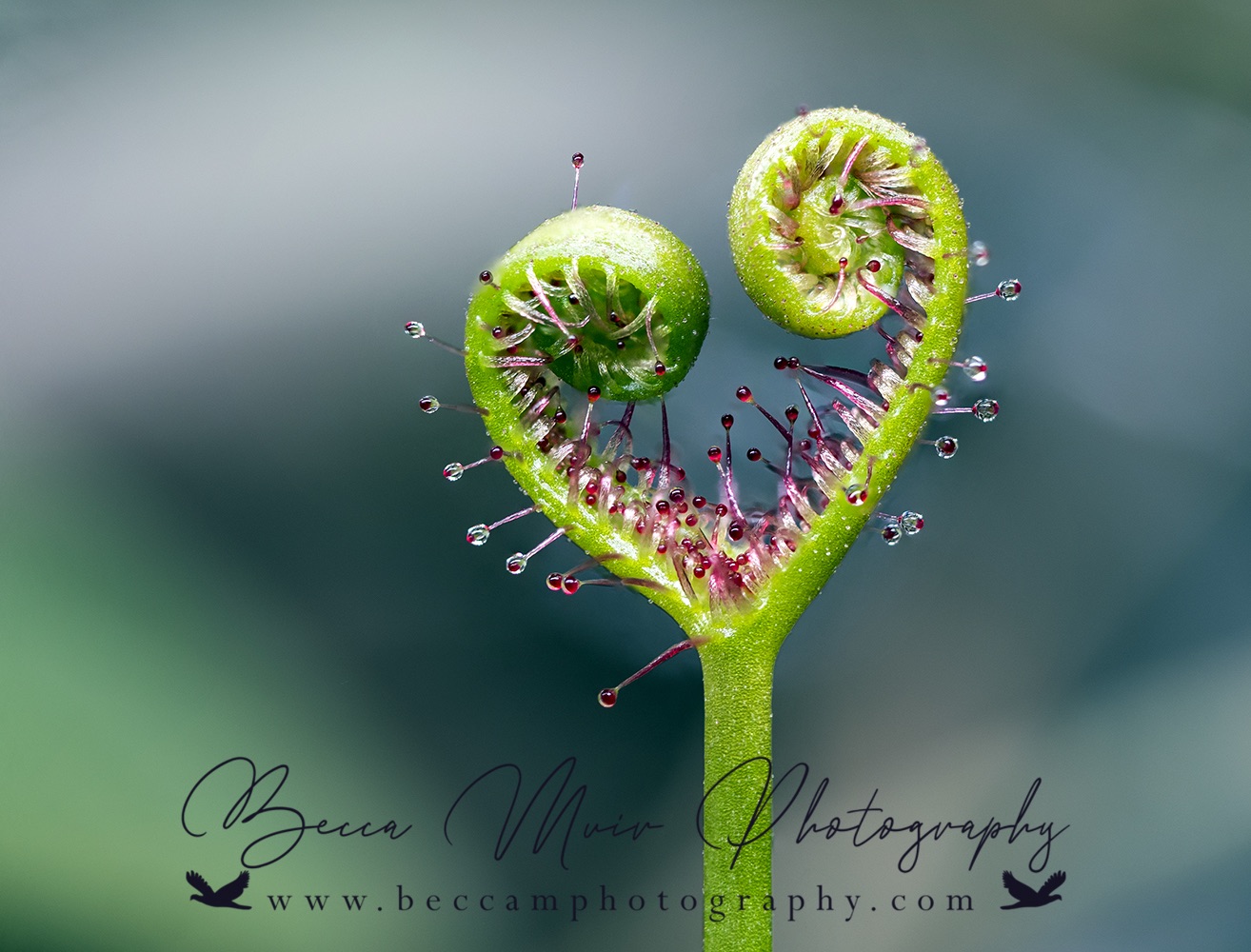
Drosera Binata
Drosera binata, commonly known as the forked sundew or fork-leaved sundew. It is a large, perennial sundew native to south-eastern Australia and New Zealand.

Drosera binata, commonly known as the forked sundew or fork-leaved sundew. It is a large, perennial sundew native to south-eastern Australia and New Zealand.
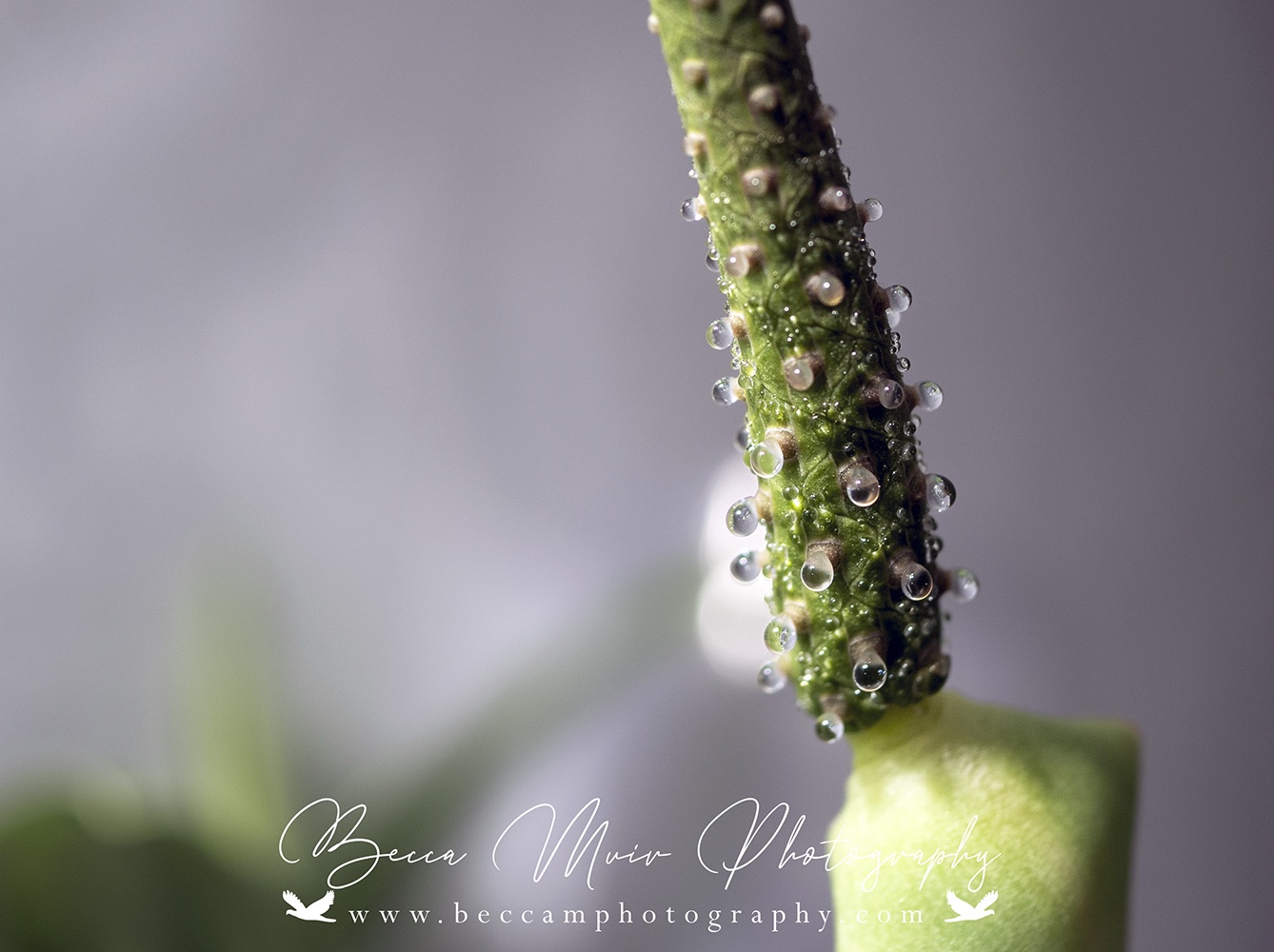
Anthurium Clarinervium inflorescence in its female phase producing oodles of stigmatic fluid, this fluid helps the pollen stick to the stigma of the spadex, ensuring successful pollination. I was a bit surprised to see it and had to google about … Continue reading
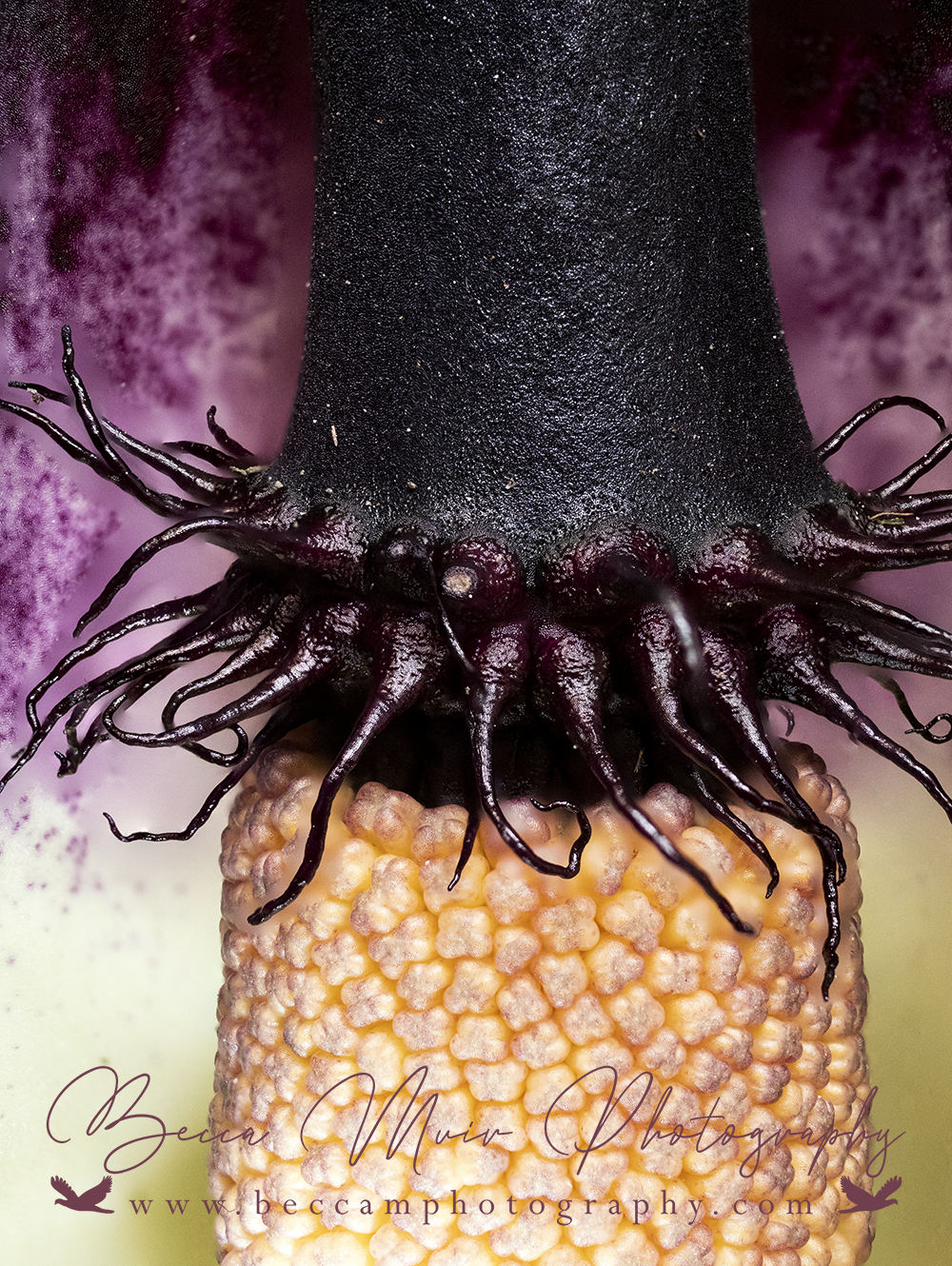
Quite possibly the most gothic plant I’ve added to my collection – Arum palaestinum 💜🖤 Can’t wait until she’s fully settled/established as her leaves and flowers are so stunning. Thank you Marty and Angela 💚

The pied stilt is a small wading bird with black-and-white coloration and very long pink legs. It is common at wetlands and coastal areas throughout New Zealand and may be seen feeding alongside oystercatchers. Pied stilts tend to be shy … Continue reading

Salsa fuliginata, commonly known as the sooty orbweaver, is a orb-weaver spider in the genus Salsa. The species is found throughout southeastern Australia and New Zealand. Wikipedia has a great write up about these beautiful little spiders. Found this beautiful little spider in St Leonards, Dunedin, New … Continue reading

Totally in love with this dahlia.
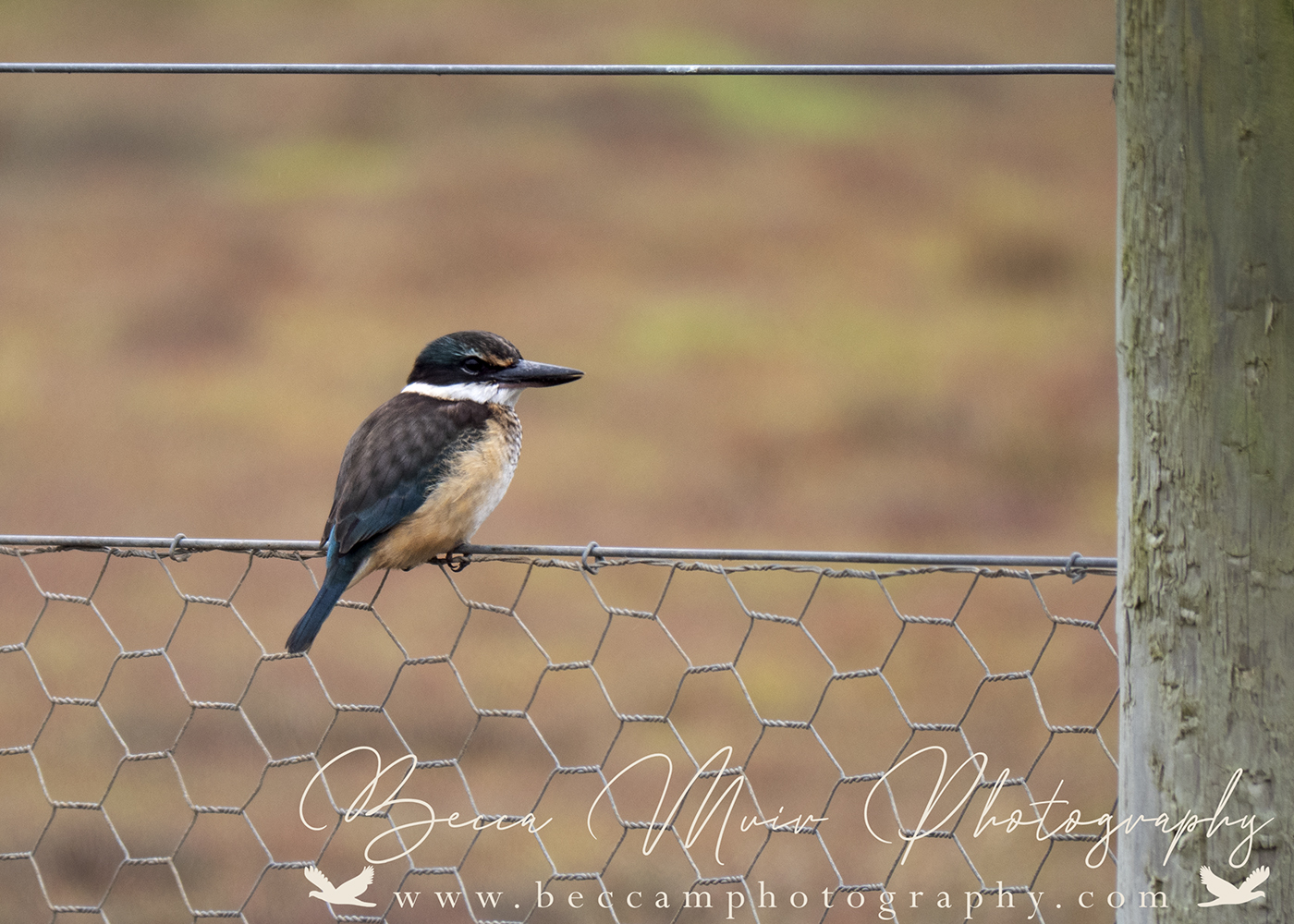
Sacred Kingfishers (Todiramphus sanctus) are native to New Zealand and found throughout in a wide range of habitats including forests, river margins, farmland, lakes estuaries and rocky coastlines; anywhere where there is water or open country with adjacent elevated perches. There … Continue reading
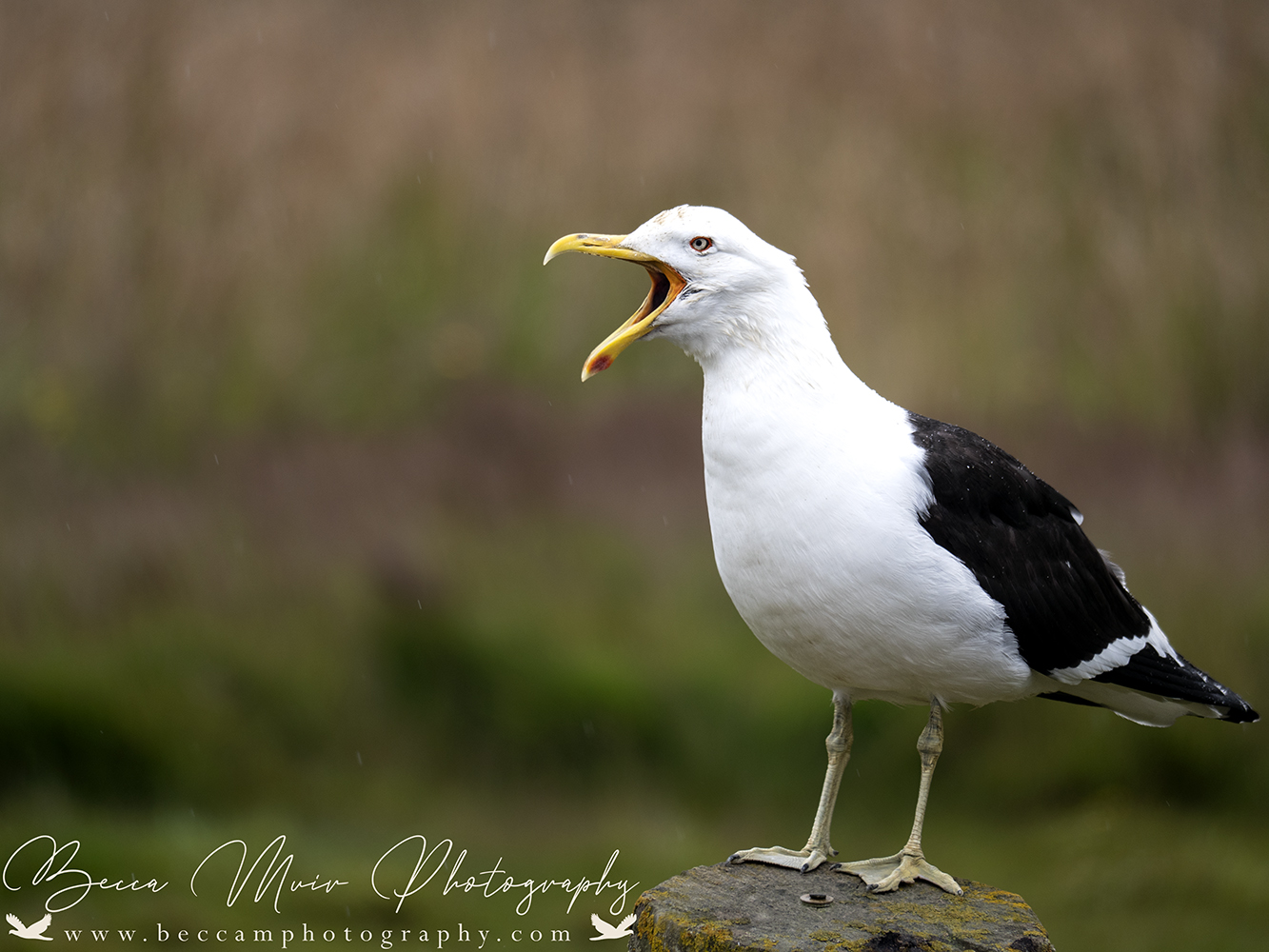
The Kelp/Dominican Gull or Southern Black-backed Gull is a gull that breeds on coasts and islands through much of the Southern Hemisphere. It is found around South America, parts of Australia (where it overlaps with the Pacific gull), and here in New Zealand (where … Continue reading

Still one of my favourite hybrid tea roses, “gold medal” a stunning Grandiflora.

Helicoverpa Punctigera, native to Australia, capable of long distance migration, sometimes ending up in New Zealand. Larvae feed on plants like peas, sunflowers and tomatoes. Females lay up to 1000 eggs in their few week life time.
 Becca Muir Photography